
In modern automotive manufacturing, auto bumper mould technology plays a critical role in producing lightweight, durable, and aesthetically refined vehicle components. As vehicles evolve toward better fuel efficiency, safety, and design flexibility, car bumper injection moulding has become the industry standard for manufacturing both front and rear bumpers.
This comprehensive guide explores everything you need to know about bumper mold, including its definition, advantages, manufacturing process, and applications in the automotive industry. Whether you're an OEM, Tier-1 supplier, or mold buyer, this article will help you understand how to choose and leverage high-performance bumper molding for cars.
An auto bumper mould is a precision-engineered tool used in car bumper molding processes to produce plastic bumpers through injection moulding. It defines the final shape, structure, and surface quality of automotive bumpers.
According to the official product page of Green Vitality, auto bumper molds are typically used to manufacture plastic bumpers consisting of:
Outer panel (appearance layer)
Energy-absorbing buffer material
Reinforcement structure
These molds are designed to handle large-scale, complex geometries while maintaining tight tolerances and high repeatability.
Large-size, high-precision mold structures
Use of materials like PP, ABS, or reinforced plastics
Designed for high-pressure injection environments
Long lifecycle (often 500,000+ cycles)
Modern solutions such as those from Green Vitality incorporate advanced internal parting structures, improving mold strength and product quality.
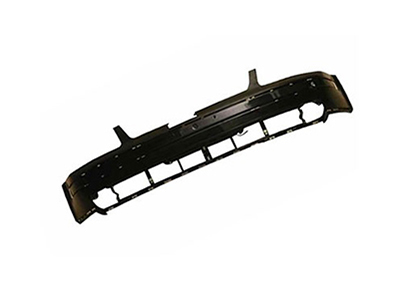
Auto bumper molds are engineered with micron-level accuracy, ensuring consistent dimensions and perfect assembly alignment.
Injection moulding enables rapid production cycles, making it ideal for automotive manufacturing at scale. Optimized cooling systems and runner designs reduce cycle time significantly.
Plastic bumpers reduce vehicle weight, improving fuel efficiency and reducing emissions—an essential factor in modern automotive engineering.
High-quality molds allow smooth, defect-free surfaces that are ready for painting or finishing, enhancing vehicle aesthetics.
Compared to metal bumpers, plastic injection molding reduces production costs, material waste, and labor requirements.
Injection molding allows complex shapes, integrated features, and customization options such as textures and branding elements.
The car bumper injection moulding process involves several key stages:
3D modeling and structural analysis
Wall thickness optimization
Mold flow analysis to prevent defects
Common materials include:
Polypropylene (PP)
ABS (Acrylonitrile Butadiene Styrene)
Reinforced composites
These materials provide impact resistance, flexibility, and weather durability.
CNC machining for mold cavities
Use of high-grade steel (P20, NAK80, etc.)
Integration of cooling and runner systems
Molten plastic is injected into the mold cavity under high pressure, filling all design features precisely.
The material cools inside the mold, forming the final bumper shape.
Automatic ejection systems
Trimming, polishing, and quality inspection
Auto bumper moulds are widely used across various automotive sectors:
Front and rear bumpers for sedans, SUVs, and EVs
Integration with sensors and ADAS systems
Heavy-duty bumpers for trucks and buses
Enhanced durability and impact resistance
Lightweight designs for energy efficiency
Complex aerodynamic structures
Replacement bumpers
Custom styling and performance upgrades
Integration with radar, cameras, and sensors
Precision molding for sensor compatibility
Yes, molds can be customized for different car models, textures, logos, and functional features such as sensor integration.
Injection molding offers high precision, repeatability, cost efficiency, and the ability to produce complex geometries at scale.
It ensures consistent bumper structure and material performance, helping absorb impact energy and protect passengers and pedestrians.
The auto bumper mould is a cornerstone of modern automotive manufacturing, enabling efficient, precise, and scalable production of high-performance plastic bumpers. With advantages such as lightweight design, cost efficiency, and superior surface quality, car bumper injection moulding continues to dominate the industry.
For businesses looking to stay competitive, investing in high-quality bumper mold solutions—combined with advanced engineering and reliable suppliers—is essential.
 English